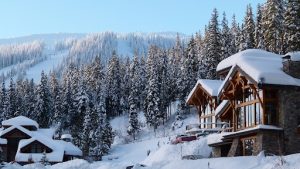





Big Bear Lake is known for its beautiful winter season, drawing visitors from all over Southern California who are eager to enjoy the snow-covered slopes, cozy cabins, and winter activities.
Whether you’re planning a ski trip or just want to experience the charm of Big Bear in the winter, understanding when it snows in Big Bear is key to making the most of your vacation. Let’s dive into everything you need to know about the snow season in Big Bear, the best times to visit, and how to plan your trip.
Understanding Big Bear’s Snow Season
Big Bear is renowned for its ski resorts—Bear Mountain and Snow Summit—both offering excellent snow conditions throughout the winter months. But when exactly does the snow begin to fall in Big Bear, and what is the snow season like?
The First Snowfall: When Does It Snow in Big Bear?
The first snowfall of the winter season in Big Bear typically happens in November, although it can sometimes be as early as October, depending on the weather conditions. However, it is usually around Thanksgiving weekend that the ski resorts, Bear Mountain and Snow Summit, aim to open. The early snowfalls tend to be light, but they pave the way for a promising winter season ahead. Once the snow begins falling in late November, Big Bear quickly transforms into a winter wonderland, with the resorts working hard to ensure the slopes are covered with fresh snow. Snowmaking efforts by Big Bear Mountain Resort also contribute to snow coverage, ensuring excellent conditions for skiing and snowboarding.
Peak Snowfall Months: The Best Time to Visit Big Bear

The most reliable snow conditions typically occur between December and February, with January and February being the peak months for snowfall.
During this time, the ski resorts are at their prime, with snow accumulation often reaching impressive depths.
- December: Early-season snow begins to settle, providing good coverage for skiing and snowboarding.
- January and February: These are the months to experience Big Bear at its snowiest. Expect consistent snowfall, excellent skiing conditions, and the possibility of powder days. This is also when the resorts are busiest. There are many fun things to do in Big Bear at this time, so plan ahead for accommodation.
- March: As winter gives way to spring, March still offers great snow conditions, but with milder temperatures. The snow becomes softer, making it ideal for those who enjoy more relaxed, spring-like skiing.
Spring Skiing: A Hidden Gem

Although Big Bear’s ski season officially starts winding down in late March, spring skiing can offer fantastic conditions for those looking for a more laid-back experience. As the temperatures rise, the snow softens, and the slopes become less crowded, making it an excellent time for beginners and families.
Expect sunny skies and a pleasant atmosphere, with less hectic lift lines.
How Big Bear Prepares for the Snow

Big Bear Mountain Resort uses a combination of natural snowfall and snowmaking technology to ensure the slopes are covered from early winter through spring. With 700 hydrants, 330 snow guns, and 40 fan guns, Big Bear’s snowmaking infrastructure is among the best in the region. These systems allow the resort to make snow even when natural snowfall is light, ensuring consistent coverage on key slopes. This investment in snowmaking guarantees that even during mild winters, Big Bear maintains excellent conditions for visitors eager to hit the slopes.
Is Winter the Only Time to Visit Big Bear?

While winter is the most popular time for snow sports, Big Bear also offers a variety of activities in the off-season. During the spring, summer, and fall months, you can enjoy activities like hiking, mountain biking, and lake activities. The snow melts away, but the beauty of Big Bear remains, with stunning vistas and opportunities to explore the surrounding nature. If snow isn’t your thing, the warmer months provide a completely different experience, making Big Bear a year-round destination.
When is the Best Time to Visit for Snow?

So, when is the best time to visit Big Bear if you want to enjoy the snow? Based on snow conditions, the ideal time is from mid-December to early February, especially for those who want to enjoy skiing, snowboarding, or the true winter experience. However, if you prefer milder conditions and fewer crowds, March can be an excellent option for spring skiing.
When Does It Snow in Big Bear?
In conclusion, snow typically begins falling in Big Bear in November, with the ski season commencing around Thanksgiving. The best time for snow enthusiasts to visit is during the winter months, specifically from December to February, when snow is abundant and conditions are ideal for winter sports. If you’re planning to visit during the holidays, expect the slopes to be bustling with activity, but you’ll enjoy some of the best conditions for skiing and snowboarding.
Whether you’re hoping to catch a fresh snowfall, enjoy a sunny spring ski day, or experience the beauty of Big Bear in the warmer months, there’s a perfect time for everyone to enjoy this gorgeous mountain town.
Frequently Asked Questions About Big Bear’s Snow Conditions
1. What is the Best Month to Go to Big Bear?
The best month to visit Big Bear depends on the type of experience you’re looking for.
For snow sports enthusiasts, January and February are the peak months for snow, offering the best conditions for skiing, snowboarding, and other winter activities. These months have the heaviest snowfall, so if you want to experience Big Bear at its snowiest, this is the time to go.
If you’re looking for a quieter, less crowded time, March offers a good balance with warmer temperatures and soft snow, ideal for spring skiing. For those who prefer to visit when it’s warmer, summer (June to September) provides a perfect setting for hiking, mountain biking, and lake activities.
2. What is the Coldest Month in Big Bear?
The coldest month in Big Bear is usually January. During this time, temperatures often dip below freezing, with average lows around 23°F (-5°C).
Snowfall is most frequent during this month, and the temperatures make it ideal for winter sports, though you’ll need to dress warmly and prepare for chilly conditions.
3. Does Big Bear Make Snow?
Yes, Big Bear Mountain Resort utilizes state-of-the-art snowmaking technology to ensure ample snow coverage on the slopes, even during seasons with lighter snowfall.
The resort features over 700 hydrants, 330 snow guns, and 40 fan guns, all of which are capable of producing snow under the right conditions. This technology enables Big Bear to maintain consistent snow coverage and provide excellent skiing conditions throughout the winter season, ensuring a fantastic experience for visitors.