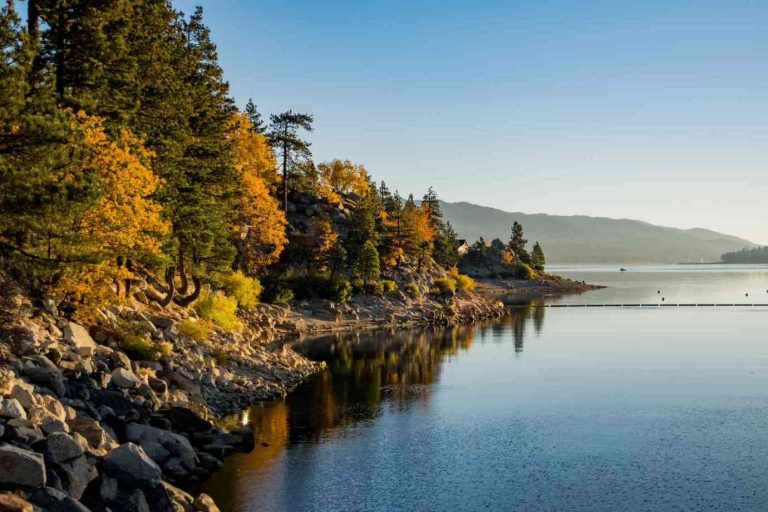





Camping in Big Bear is more than just pitching a tent—it’s about waking up to fresh pine air, watching the sunrise over the lake, and trading city noise for nature’s soundtrack. As someone who’s grown up here in the San Bernardino Mountains, I’ve spent countless weekends exploring campsites, chatting with rangers, and warming up by campfires.
If you’re planning your first Big Bear camping trip—or looking for hidden gems you’ve missed—this guide is for you.
From developed campgrounds with lakefront views to off-grid forest spots, Big Bear camping offers something for everyone.
Where Are the Best Campgrounds in Big Bear?
Whether you’re coming up with the whole family, bringing your dog, or looking for solo peace and quiet, Big Bear has a range of campgrounds to choose from.
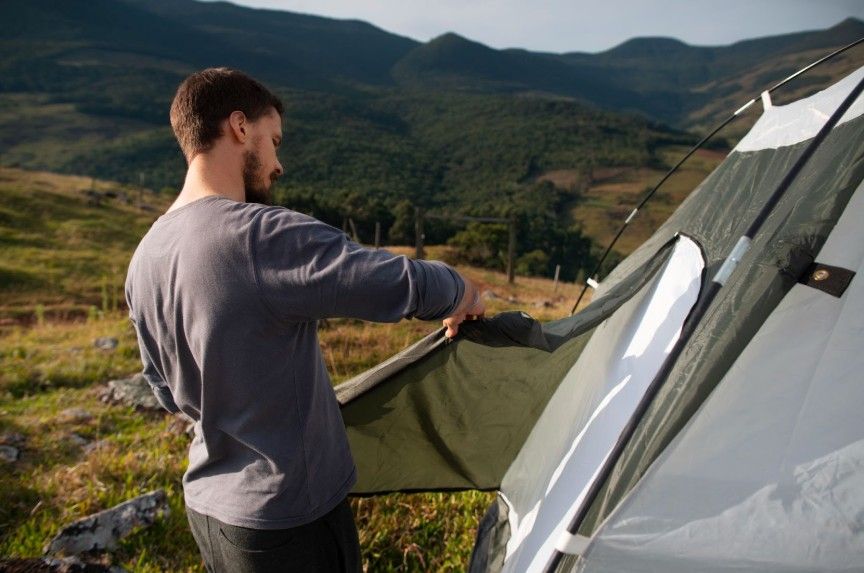
Serrano Campground (Best for Families and Lake Access)
This is hands down one of the most popular camping spots in Big Bear. Located right across from the lake, Serrano Campground offers flush toilets, fire rings, picnic tables, and paved roads—making it a great choice for RVs and tent campers alike. It also connects directly to the Alpine Pedal Path, perfect for morning strolls or bike rides.
- Reservations: Required (especially in summer)
- Amenities: Water, flush toilets, picnic tables, fire pits
- Dog-friendly: Yes, on-leash
Pineknot Campground (Best for Forest Seclusion Near Town)
Tucked into a shady forest near Snow Summit, Pineknot is a favorite among hikers and mountain bikers. It’s quieter than Serrano but still close enough to town for convenience.
- Reservations: Required
- Amenities: Vault toilets, fire rings
- Best For: Tent camping, access to trails
Holcomb Valley Campground (Best for Remote Experiences)
If you want to disconnect and truly embrace nature, head north to Holcomb Valley. This rustic campground offers a more primitive experience—no water, no hookups, and no light pollution. Just trees, stars, and serenity.
- Reservations: First-come, first-served
- Amenities: Vault toilets, fire rings
- Note: Bring your own water
What Is Dispersed Camping and Can You Do It in Big Bear?
Yes, dispersed camping is allowed in designated parts of the San Bernardino National Forest—but there are rules. You’ll need to camp at least 200 feet away from roads and water sources and follow strict fire restrictions. Rangers often patrol these areas, especially during fire season, so always check current guidelines on the U.S. Forest Service website.
For a safe dispersed camping experience:
- Bring your own water
- Pack out all trash
- Use a portable stove instead of campfires (most times of year)

Dispersed camping is ideal if you’re seeking solitude and don’t mind roughing it.
What Should You Know Before You Camp in Big Bear?
There are a few things locals like me always recommend to first-timers.
1. Altitude Matters: Big Bear sits at about 6,700–7,000 feet. Drink extra water, go easy on alcohol, and give your body time to adjust—especially if you’re hiking or biking.
2. Fire Restrictions Are Strict: From June through October, open flames are often banned due to wildfire risk. Even if you’re camping at a developed site, check with the San Bernardino National Forest before lighting a fire.
3. Respect Wildlife: Yes, we have bears—but you’re more likely to see raccoons, deer, and the occasional fox. Don’t leave food out, and store everything in a bear box or sealed bin.
4. Cell Service Can Be Spotty: Some areas (like Holcomb Valley or Deep Creek) have zero signal. Download maps ahead of time and bring a printed trail map or ranger station contact.
FAQs About Big Bear Camping
1. Can you camp anywhere in Big Bear?
No, camping is only allowed in designated campgrounds or dispersed areas within the San Bernardino National Forest. You must follow all posted rules and fire restrictions.
2. Do you need a permit to camp in Big Bear?
For most developed campgrounds like Serrano and Pineknot, you’ll need a reservation via Recreation.gov. Dispersed camping usually doesn’t require a permit, but you’ll need a California Campfire Permit if you’re using a stove or lantern.
3. What’s the best season for Big Bear camping?
Summer and early fall (June–October) offer the best weather. Nights are chilly even in summer, so bring layers. Winter camping is possible but requires proper gear and experience.
4. Are dogs allowed at Big Bear campsites?
Yes, most campgrounds allow dogs as long as they’re on a leash. Be sure to clean up after them and check specific rules for each site.
Ready to Try Big Bear Camping?
Camping in Big Bear is one of those experiences that sticks with you—whether it’s roasting marshmallows with your kids, waking up to quiet mountain air, or finding that perfect lakeside sunset spot. I’ve grown up here and still find new corners of the forest that surprise me.
If you’re coming for the weekend, make a reservation early (especially in summer), pack for variable mountain weather, and plan a few outdoor adventures—like kayaking at the marina or hiking Castle Rock Trail.
Big Bear camping invites you to slow down, breathe deeply, and reconnect with nature. Whether you’re after cozy nights under the stars or a rugged forest retreat, the mountains are ready for you.